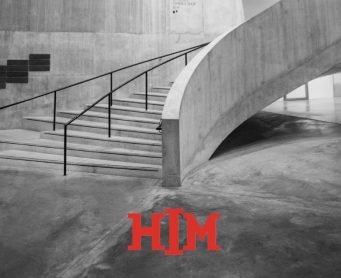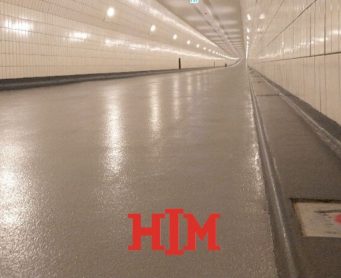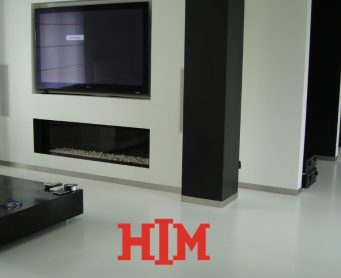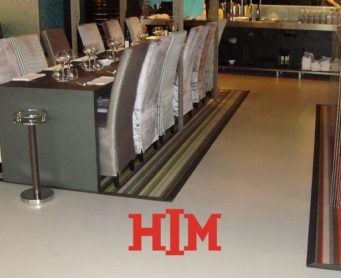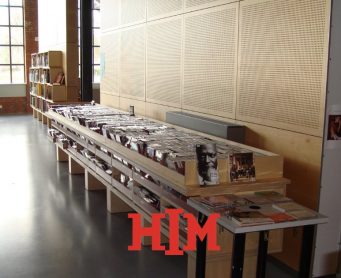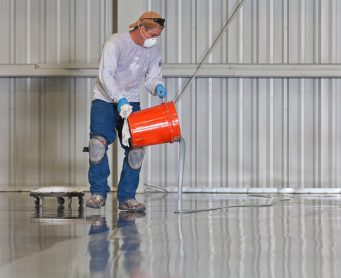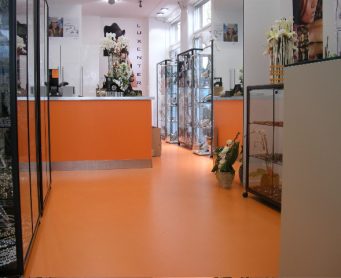
Looking for a suitable museum floor? In museums, the floor forms an extremely important foundation. Our synthetic floors play a significant role in the experience, while also not dropping the ball functionally.
Our museum floors are:
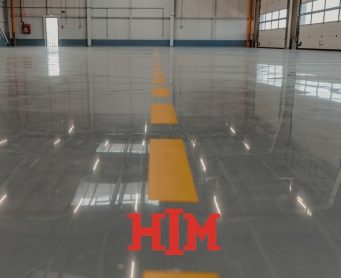
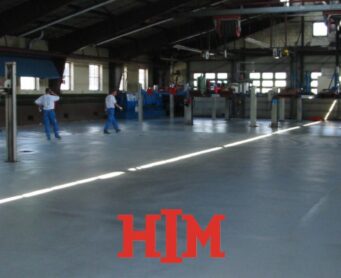
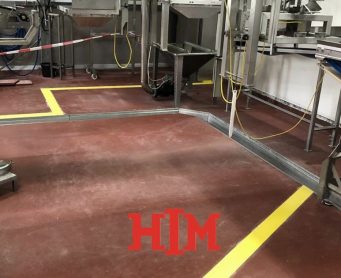
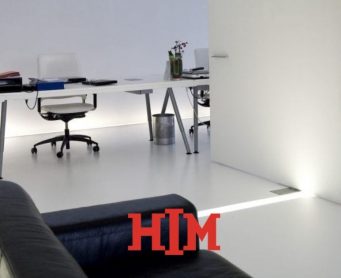
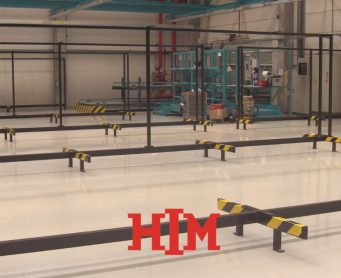
The ideal museum floor fully serves the space and thus requires the right balance between functionality and design. A museum floor should blend into the space. In other words, seamlessly integrate with the interior concept. This way, the spotlight remains on the objects that are the focal point of the exhibition. With subtle finishes, such as applying lines, you guide visitors’ walking routes.
Attentively viewing art objects requires not only a keen eye but also utmost concentration. In art displays, ambient noise, such as footsteps, prevents visitors from taking in all the details. In this situation, our polyurethane floors come to the rescue. These floors are naturally hard-elastic, providing good sound absorption and easier walking.
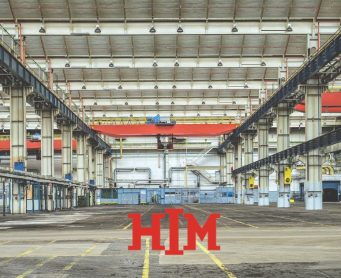
If the focus is mainly on supporting heavy objects, epoxy floors are the best alternative. Museums with exhibitions of old train wagons, large statues, and similar objects benefit from a hard surface that can comfortably accommodate the heaviest loads.
In museums, the lifespan and maintenance of the floor are important criteria. We understand this very well. With heavy use, our synthetic epoxy resin floors remain in top condition. Besides their durability, cleaning our museum floors is easy and efficient.
HIM Products delivers professional museum floors in any dimensions you desire. With over 80 years of experience in the development and production of functional and decorative floor finishes, we have all the expertise for your ideal museum floor.
Want to know more? Ask our advisors for personalized advice without any obligations.
 Decorative
Our floors are not only sturdy and durable but also customizable with lines and markings.
 High elasticity
Our polyurethane floor offers great walking comfort for museum visitors due to its elasticity.
 Sound absorbing
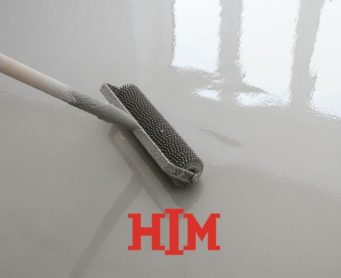
Museums require good acoustics. With the right finish, our poured floors minimize sound reflection.

Not quite sure what the perfect resin floor or coating is for your situation? Our experts are ready to help you. After years of experience and extensive tests in our laboratory, resin floors have no secrets for us anymore. Contact us now for free tailored advice!
Contact me





Category:
Yes, provided that the floor system is designed for the actual load. Not only the total weight, but also the point loads from display cases, plinths, wheels and support legs are relevant. For heavy art objects, historic vehicles or large installations, an epoxy resin floor is generally a logical choice because of its mechanical strength. Understanding the placement and possible movement of objects in advance prevents floor damage and results in a floor system that remains in good condition for a long time.
Category:
A seamless, liquid-tight museum floor is easy to maintain because dirt and moisture do not accumulate in joints. Daily dust mopping and periodic cleaning with suitable products are usually sufficient to keep the floor presentable. However, the cleaning method must match the selected finish; aggressive or abrasive products can affect the appearance over time. In entrance areas and heavily used walkways, a tailored maintenance plan extends the floor’s lifespan.
Category:
The choice mainly depends on the function of the space. In exhibition halls where walking comfort and reduced impact noise are important, a polyurethane floor is often suitable. This floor is slightly elastic and contributes to a quieter visitor experience. For areas with heavy objects, display cases or temporary exhibitions, an epoxy floor provides a strong, hard surface. The desired appearance, existing subfloor and intensity of visitor traffic also determine which museum floor is most suitable.