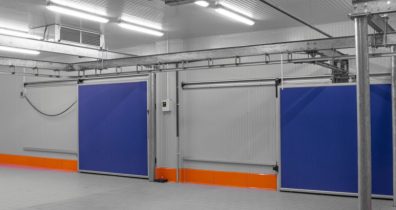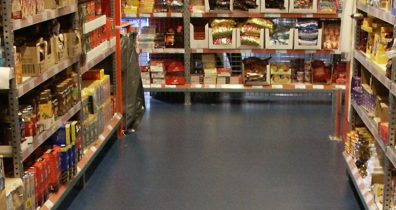
Whether it’s a slaughterhouse for wholesale volumes or a local butcher shop – in meat processing, you want to guarantee top-quality meat and meat products at all times. Investing in a hygienic and (food) safe butcher shop floor is essential.
Every company involved in the preparation, processing, packaging, and distribution of meat must establish a food safety procedure based on the principles of HACCP. This means that the production process from A to Z must be identifiable and active measures must be taken for hazard control. The floor plays a significant role in this aspect. To comply with HACCP standards, the butcher shop floor must have a modern finish according to the latest hygiene code.
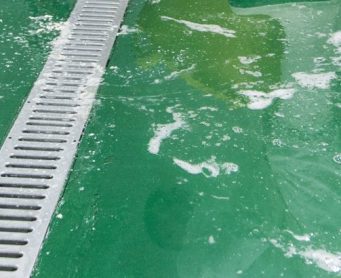
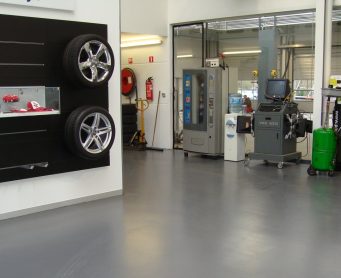
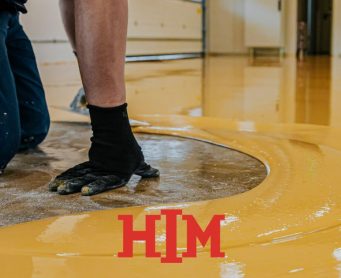
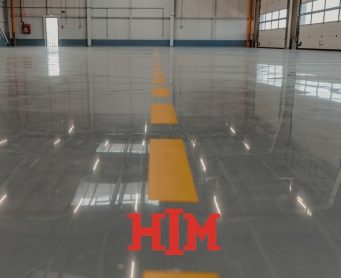
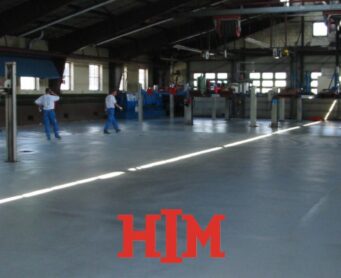
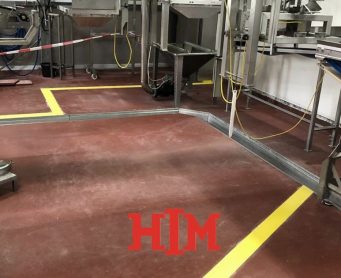
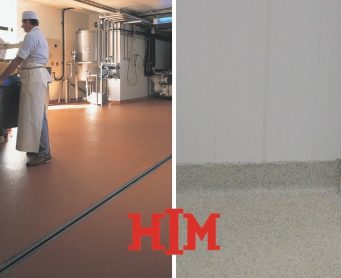
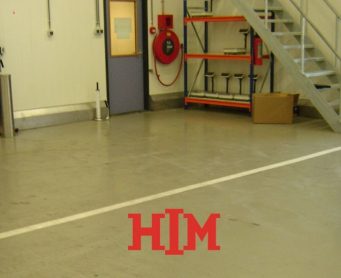
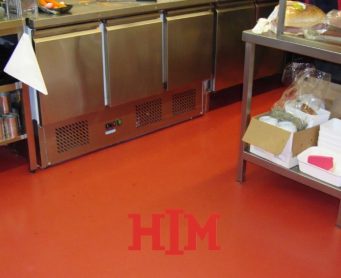
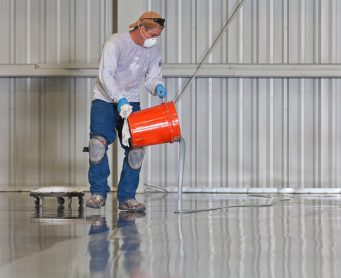
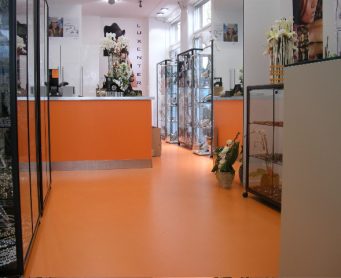
Moisture and dirt can accumulate in floor seams. From a hygienic perspective, it is important that butcher shop floors are seamless and liquid-tight. HIM’s butcher shop floors meet these requirements. Because our floors have no seams, dirt buildup is a thing of the past, and cleaning tasks are faster and easier to perform.
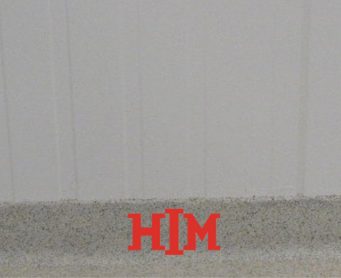
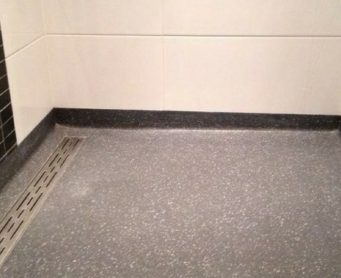
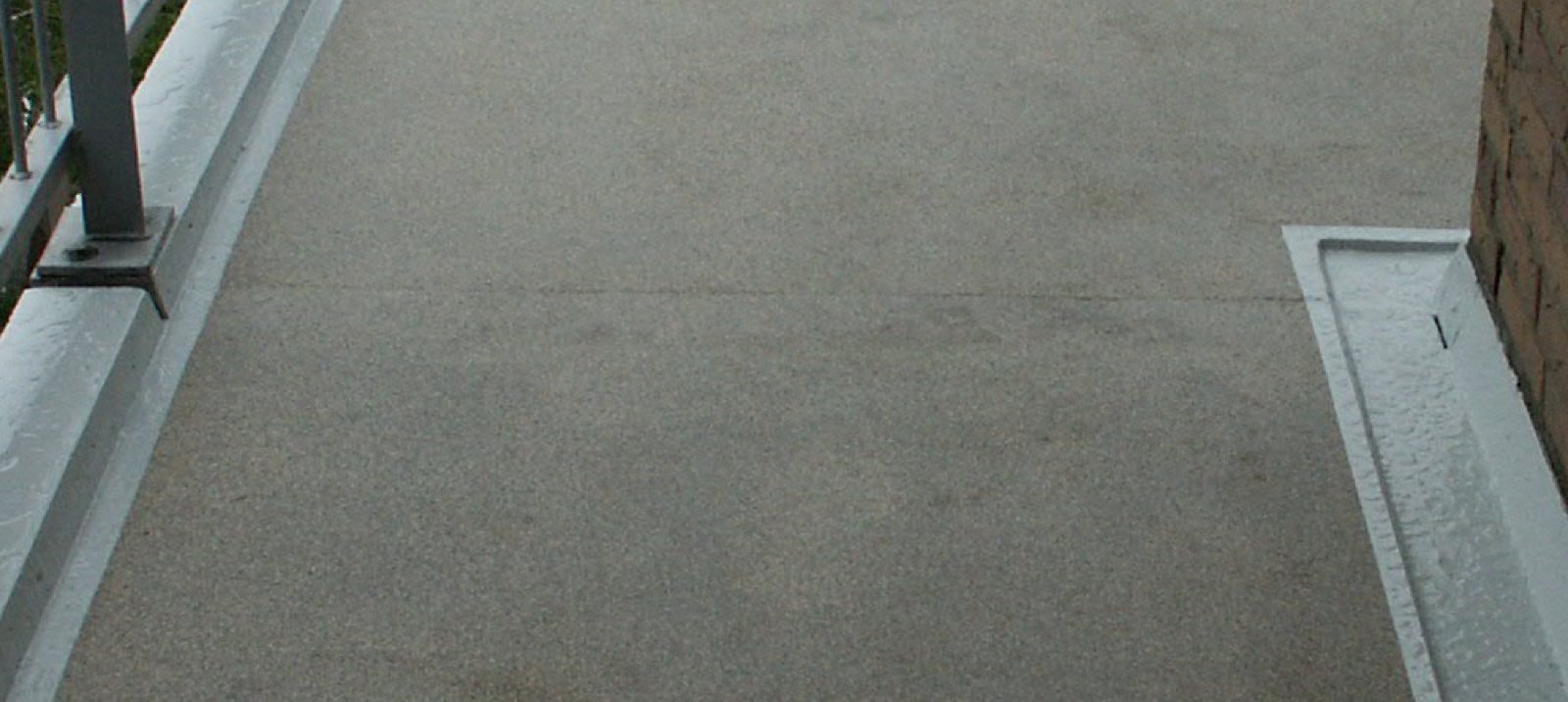
Combined with a coved base, a seamless edge is created between the floor and the wall. This prevents dirt from getting into corners and liquids from reaching the subfloor. Spilled (moisture) residues can therefore be easily removed before they pose a danger, which naturally enhances food safety.
Food safety is not the only concern in meat processing. The floor must also be safe for employees. Our floors enhance employee safety on two fronts:
With HIM’s safe and quickly installable butcher shop floors, you have access to a solid and exceptionally strong flooring solution. Our butcher shop floors…
Our specialists are happy to tell you more about the possibilities of our sustainable and safe flooring solutions for slaughterhouses.
 Anti-slip
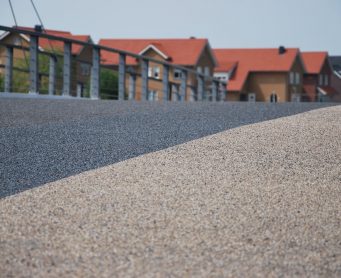
The anti-slip layer of our butcher shop floors ensures that the floor remains non-slippery when wet, maintaining its traction.
 Hygienic
Thanks to their liquid-tight properties, our butcher shop floors meet the strict hygiene requirements as outlined in the HACCP standards.
 Liquid-tight
Due to their seamless and liquid-tight operation, there are no gaps where dirt can accumulate and/or liquids can leak away.

Not quite sure yet what the perfect poured floor or coating is for your situation? Our experts are ready to assist you. After years of experience and extensive testing in our own laboratory, poured floors hold no secrets for us! Contact us now for personalized advice without any obligations.
Feel free to schedule an appointment





Category:
A seamless and liquid-tight floor supports hygienic working practices in line with HACCP principles, as moisture and dirt cannot penetrate joints or seams. However, the floor is just one component of the overall food safety procedure. Cleaning, maintenance, drainage, wall finishes, and working practices in the space also play a role. The appropriate floor system is therefore matched to the applicable hygiene code, the activities in the space, and the cleaning products used; ensuring the floor practically meets the requirements of meat processing.
Category:
An anti-slip floor can provide adequate grip even in wet or greasy conditions, but the right level of slip resistance must suit the application. A floor that is too smooth increases the risk of slipping, while too coarse a texture can be harder to clean. In a butcher shop, the anti-slip finish is therefore tailored to the amount of moisture, grease load, walking routes, and cleaning method used. This results in a safe floor for employees without unnecessarily complicating hygiene and daily maintenance.
Category:
A suitable butcher shop floor must match the daily load in the space. Think of moisture, grease, organic residues, intensive cleaning, foot traffic, and potentially rolling equipment. For a butcher shop or meat processing facility, a seamless, liquid-tight finish and adequate anti-slip are important starting points. Attention should also be given to the connections with walls and drains. A coved skirting creates a more cleanable transition between floor and wall, reducing the chance of dirt and moisture accumulating.