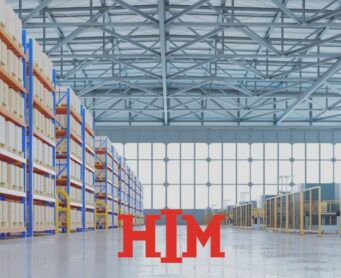
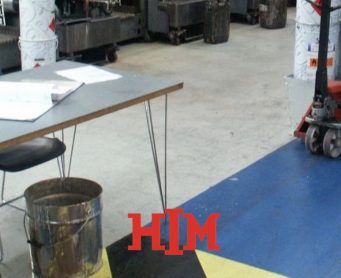
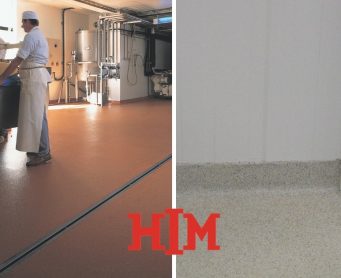
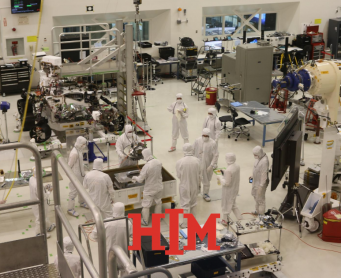
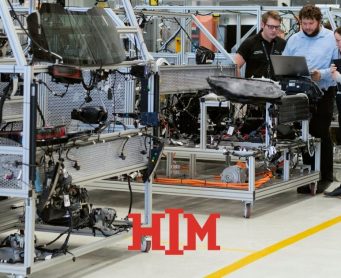
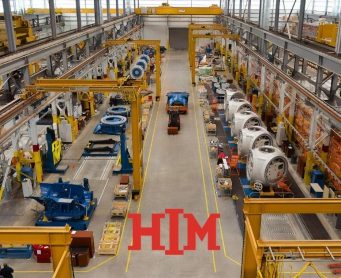
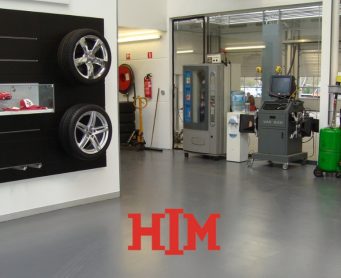
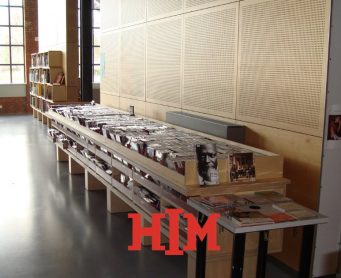
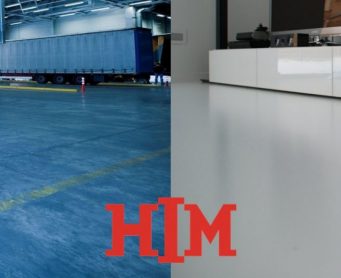
In workshops, production areas, warehouses and maintenance zones, a technical industrial floor takes heavy daily punishment from forklifts, pallet trucks, machinery, tools and foot traffic. It needs a strong, wear-resistant build-up matched to the loads in the space. A technical industrial floor from HIM gives you a reliable, long-lasting work floor.
The right floor finish keeps the substrate in good condition and supports a safe, well-organised working environment. The daily load matters, but so do the existing substrate, point loads and the desired finish.
Technical environments combine several types of load. Rolling equipment and internal transport call for a wear-resistant finish, while machines and installations can put high local pressure on the floor. The existing concrete, its flatness and any damage also determine which preparation and floor build-up you need.
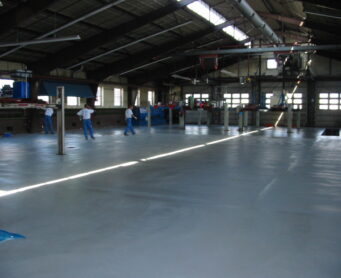
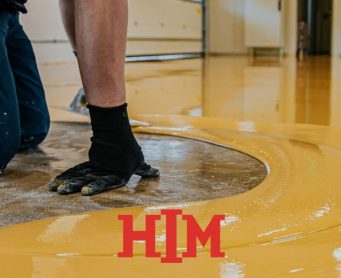
HIM offers epoxy floors, trowelled floors, multi-layer floors and coatings, among others. For technical facilities, an epoxy floor is often a strong, seamless foundation. Where mechanical loads are higher, a trowelled floor provides the wear resistance you need. In areas that need extra grip and a robust build-up, a multi-layer floor is a good option. If the aim is mainly to protect or refresh an existing industrial floor, a coating is usually the right solution. This way the floor build-up fits the function, load and safety requirements of the space.
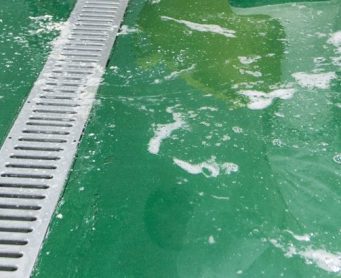
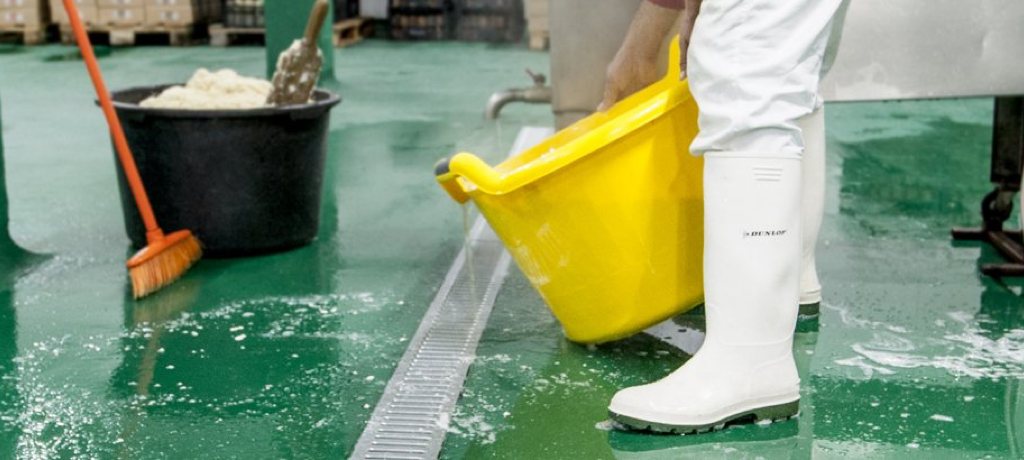
A technical industrial floor also contributes to workplace safety. In zones with moisture, dirt or spilled liquids, an anti-slip texture provides extra grip. The level of roughness is matched to the work being done, so the floor stays safe without making it harder to clean.
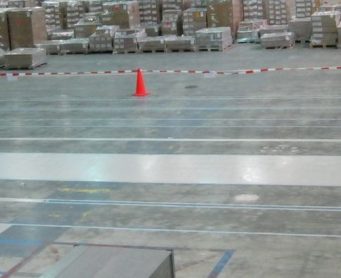
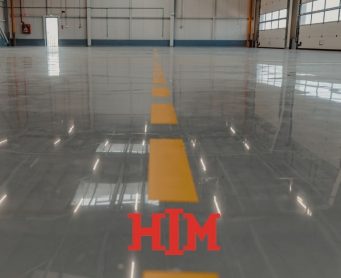
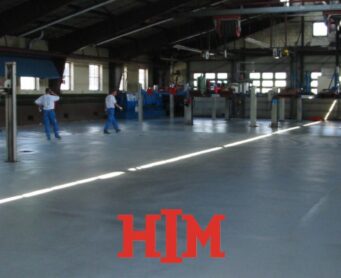
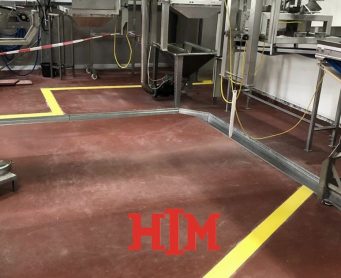
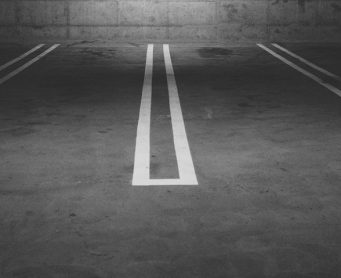
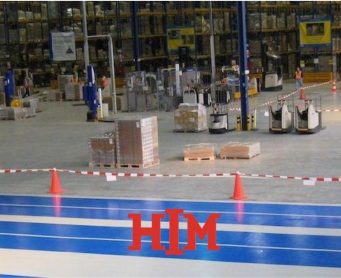
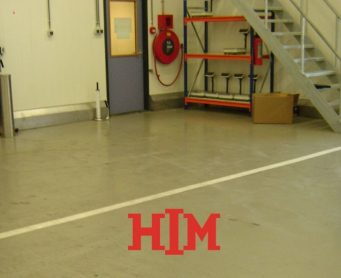
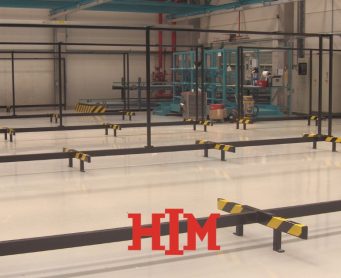
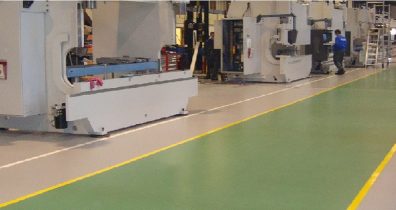
Line markings and signage make walkways, storage areas, machine zones and safety areas clearly visible. This gives a better overview of the work floor and a more practical layout for employees and transport movements.
HIM supplies flooring solutions for technical and industrial environments where mechanical load, safety and maintenance come first. By matching the floor build-up to how the space is used, you get a durable finish that suits production areas, workshops, warehouses and maintenance zones.
Want to know which technical industrial floor suits your working environment? Get in touch for advice on a floor build-up that fits the load and use of your space.
 Built for intensive use
The floor build-up is matched to daily foot traffic, transport movements and intensive use in technical and industrial spaces.
 Withstands heavy loads
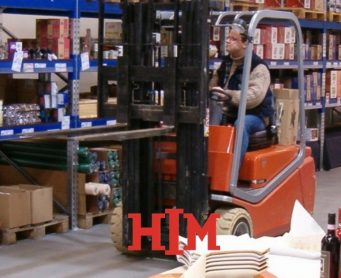
Technical industrial floors are built for the loads of machines, installations, forklifts and other internal transport. Weight, point loads and how intensively the floor is used are all taken into account, so the floor suits your daily operations.
 Safe and clearly organised
An anti-slip finish, line markings and signage make walkways, work zones and safety areas easier to see. This helps create a safe, efficient workplace.







The right technical industrial floor starts with a clear assessment of the substrate, the daily load and the properties you need. Our specialists review these with you. Based on that, they recommend a technical industrial floor that fits your working environment and your requirements.
Contact us
Category:
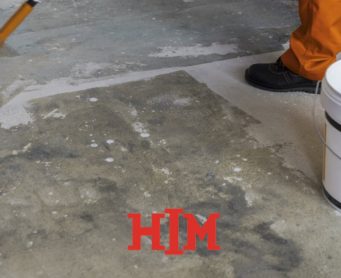
In many cases, a technical industrial floor can be applied over an existing concrete substrate. The concrete must have sufficient bearing capacity and be clean and stable. Cracks, damage and unevenness need to be assessed beforehand, so the floor build-up bonds properly and performs over the long term.
Category:
Service life depends on the floor build-up you choose, the quality of the substrate, the daily load and maintenance. A floor that is matched to how the space is used generally stays in good condition for longer.
Category:
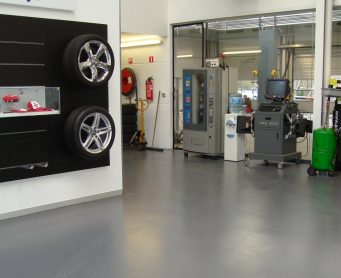
For a technical workshop, an epoxy floor is often a good base when you want a seamless, strong finish that is easy to clean. Where heavy machinery, forklifts or intensive transport create high mechanical loads, a trowelled floor adds wear resistance and compressive strength. When extra grip is needed, for example in areas where damp conditions can occur on the work floor, a multi-layer floor with an anti-slip texture can be the answer. The right choice ultimately depends on the load, the condition of the existing substrate and the safety requirements in the workshop.