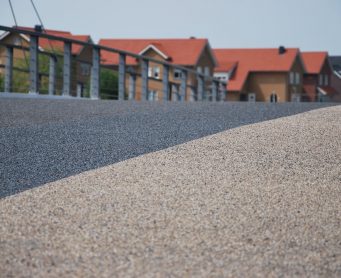
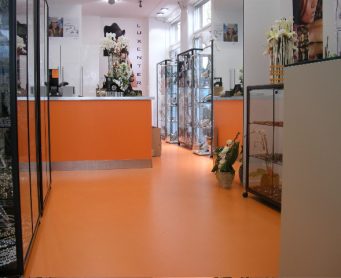
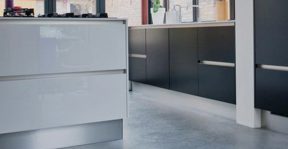
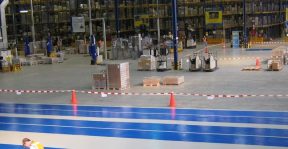
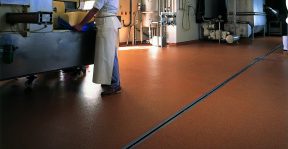
Layer thickness - 5-12 mm
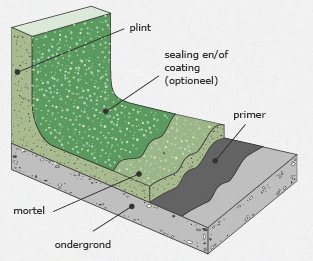
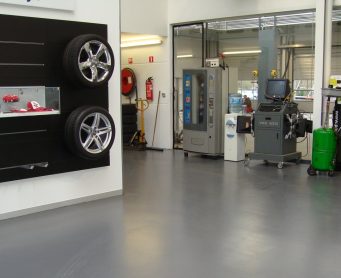
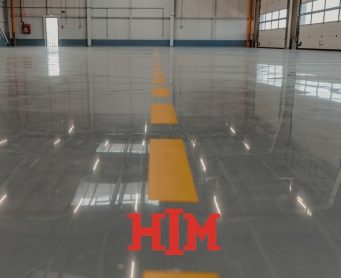
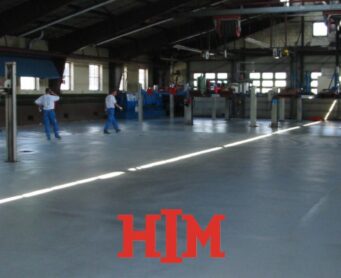
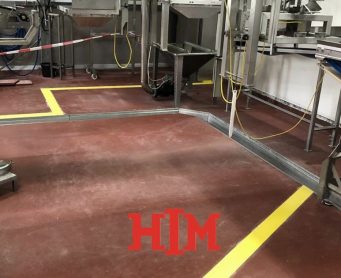
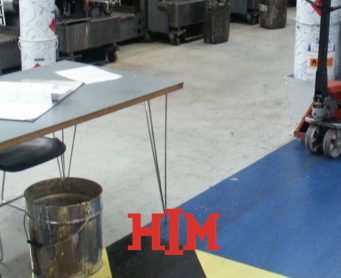
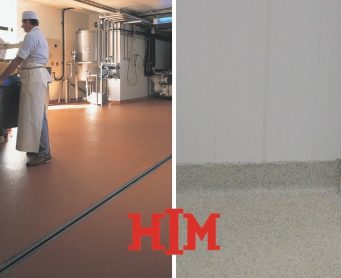
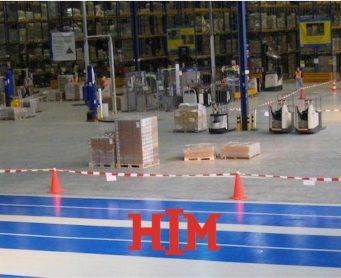
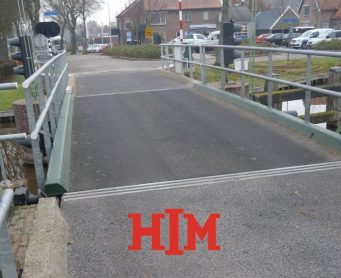
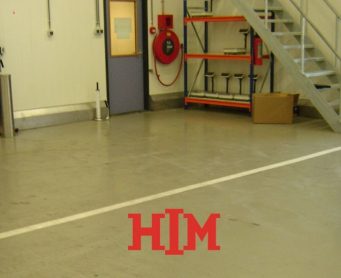
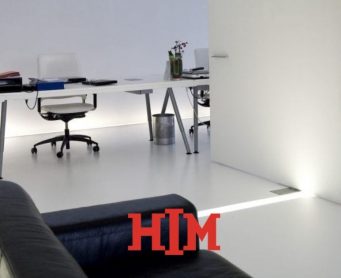
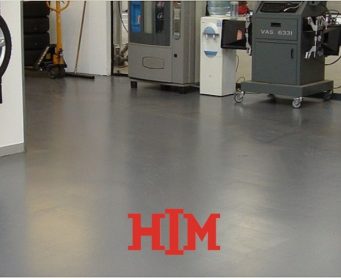
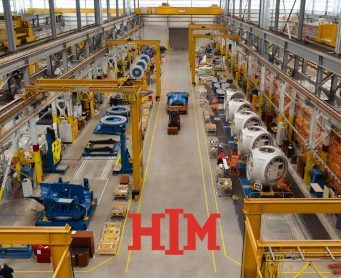
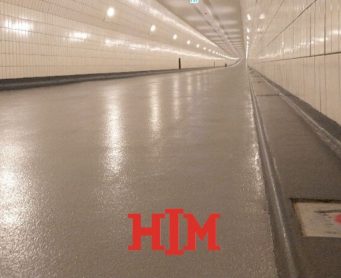
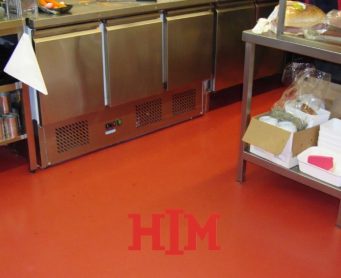
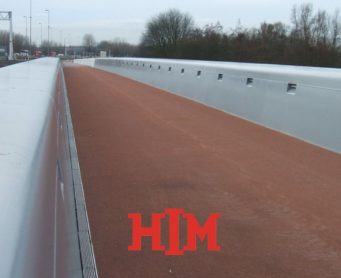
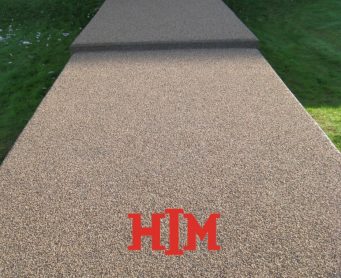
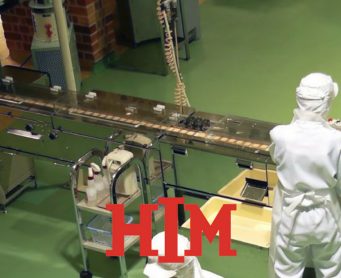
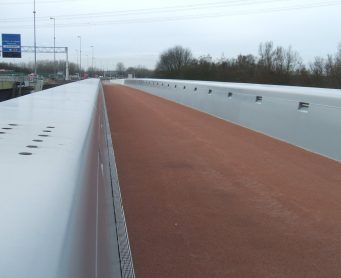
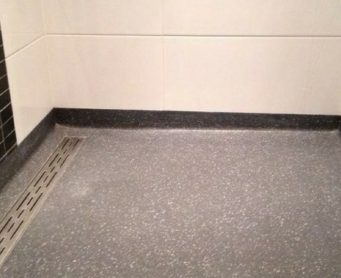
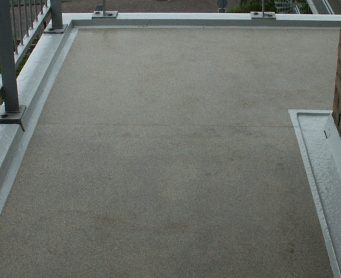
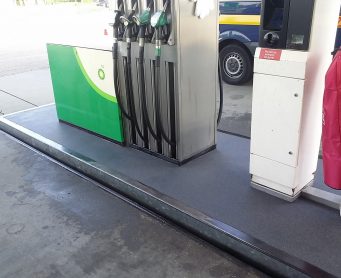
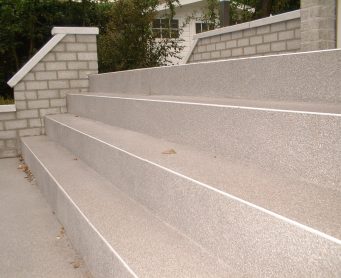
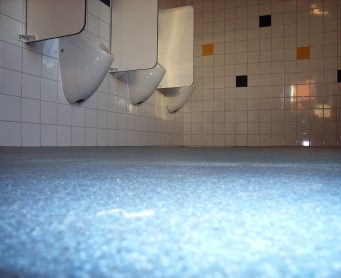
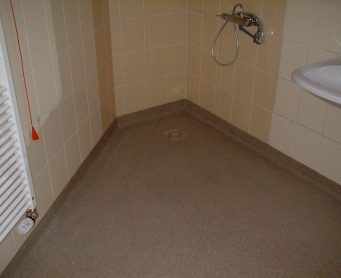
Trowel floors are mainly used in the (agricultural or food processing) industry because of the possibility to apply the product on a graded surface. Due to the high resistance to heat, moisture and chemicals (after applying a sealer layer), you can also encounter these floors in workplaces, kitchens, toilets and galleries. Our trowel floors are extremely strong and heavy-duty. Not even heavy machinery and tools can make a dent in our floors.
Contact us
HIM trowel floors can withstand almost anything: heat, moisture, chemicals, impacts, scratches and heavy equipment load.

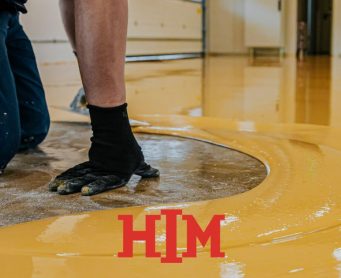
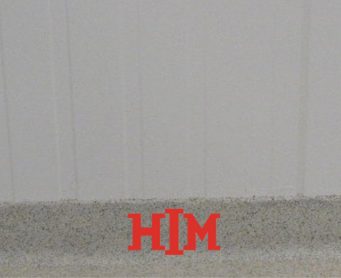
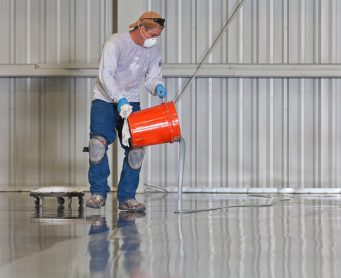
We know everything about trowel floors: how it is applied, what the advantages and disadvantages are and what it looks like once it has dried.

HIM floors are almost always available within 48 hours. In case of emergency, even the same day is possible.
Not entirely sure whether this floor is ideal for your situation? Trowel floors are mainly used in situations where the following features are highly valuated:



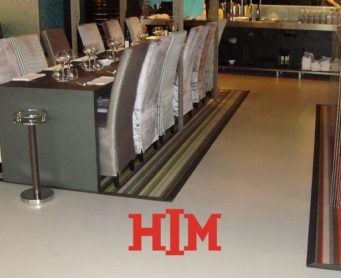
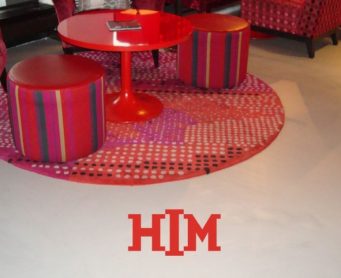
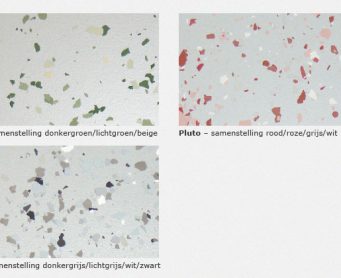
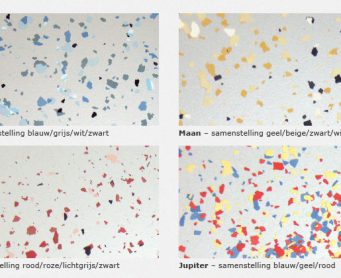
Trowel floors are available in two variants, both of which are available in multiple colors. What the best variant for your situation is, depends on the intended use and the decorative wishes. We are happy to advise you and, thanks to more than 80 years of experience, we know everything about the effect of a floor on the intended space.
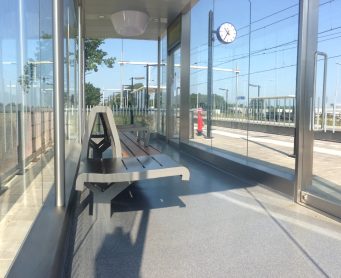
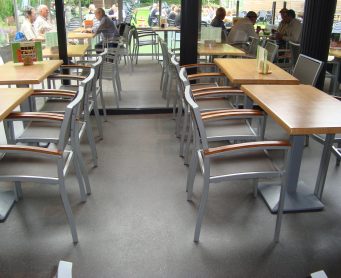







Category:
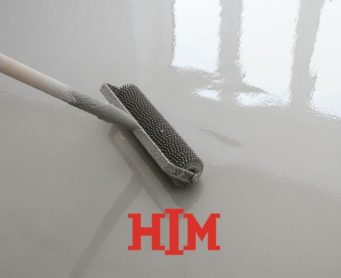
A trowel floor and a resin floor are both widely used industrial flooring solutions, but they have clear differences. A trowel floor consists of a mix of fine gravel aggregate and resin, firmly applied with a trowel. The result is a robust, wear-resistant floor that is ideal for heavy-duty use. A resin floor, on the other hand, is a seamless liquid floor finish poured over the substrate and designed to self-level. Resin floors offer a clean, modern appearance and are easy to maintain. Both floor types have their own advantages, depending on the specific industrial requirements.
Category:
The cost per m² of a trowel floor depends on several factors and cannot be determined in advance. First, the quality and type of resin and gravel aggregates play a role; higher-grade materials may increase the cost. Substrate preparation is also essential, as an uneven or damaged substrate may require additional preparatory work. Floor thickness, special finishes, and additions such as slip resistance or colour pigments can also affect the price. Finally, labour costs and project size are relevant: larger areas generally have a lower price per m² due to economies of scale.
Category:
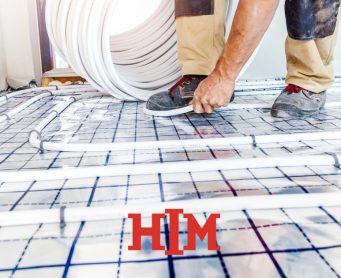
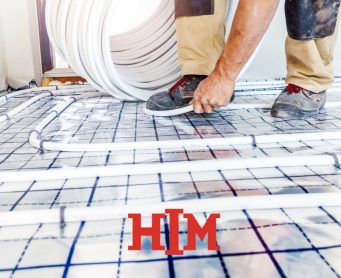
Of all resin flooring systems, trowel floors are particularly suitable for underfloor heating. This combination provides greater comfort and hygiene, while also saving energy and space. Trowel floors are heat-resistant up to 80°C, making them suitable for industrial use—and therefore for underfloor heating as well. The composition of the floor provides effective heat conduction, allowing heat to be distributed evenly and the temperature to remain consistent. In practice, this can save your business an average of 30% on energy costs compared with other floor coverings.
Category:
The recommended layer thickness for a trowel floor varies depending on its specific application and the loads it must withstand. For more demanding industrial environments—where the floor is exposed to intensive use or mechanical wear—a greater thickness is recommended. Our trowel floors are typically installed at a thickness of between 5 and 12 mm, although thicker systems are also possible. In that case, it is advisable to build up the floor in multiple layers.